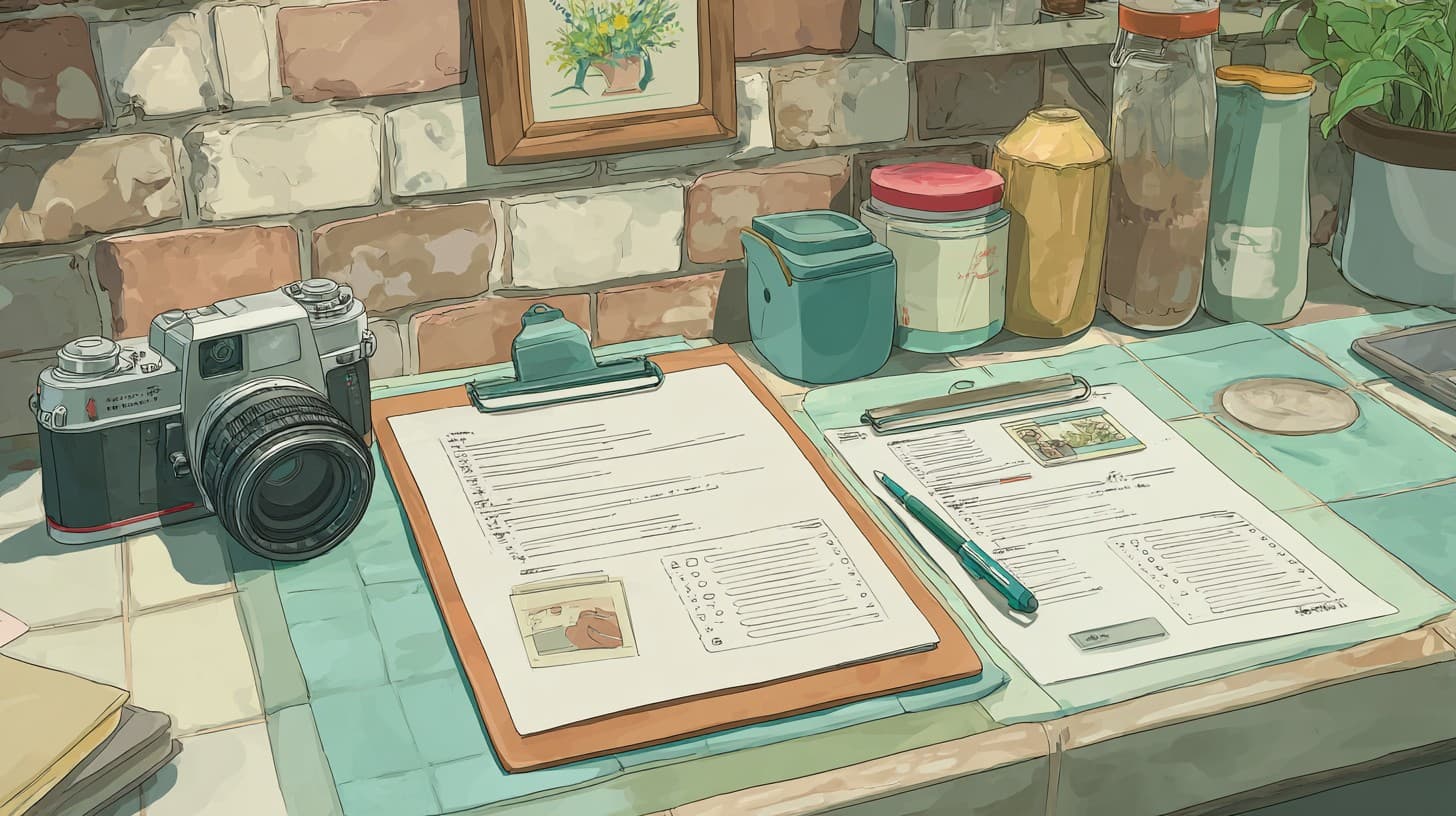
A condition report is the most important document you will sign at the start of a tenancy. It records the state of the property when you move in, and it becomes your key defence if a landlord later tries to claim you caused damage that was already there. Taking it seriously — even when you are in the middle of moving — pays off when you eventually leave.
When you receive it and when to return it
In most Australian states, the landlord or agent must give you a condition report before or at the time you move in. You are typically given between 2 and 5 business days to complete your own copy and return a signed version to the landlord. Check your state tenancy authority website for the specific timeframe in your state.
Do not skip this step. If you return a blank or unsigned report, you lose the ability to use it as evidence later.
Room-by-room what to check
Go through every room methodically. For each area, check and note:
- Walls and ceilings — scuffs, marks, holes, water stains, cracks
- Floors and carpet — stains, worn patches, damage, missing tiles
- Windows and doors — operation, locks, tracks, seals
- Light fittings — working, broken globes, missing covers
- Kitchen — oven interior, stovetop, rangehood filter, dishwasher, sink
- Bathroom — grout condition, taps, seals around shower/bath, exhaust fan
- Laundry — taps, drainage, any mould
- Garden and outdoor areas — condition of lawn, fencing, paths
Note anything that is not in perfect condition, even if it seems minor. A small mark that you do not report could be used against you at the end of your tenancy.
Use the free Condition Report Checklist to walk through every item systematically — it is state-specific and printable.
How to photograph evidence properly
Photos are more reliable than written notes because they are harder to dispute. Take photos:
- On the same day you move in — not days later
- With your phone camera showing the automatic date and time stamp, or in a format that captures metadata
- From multiple angles for anything significant
- In good lighting — open curtains and use artificial light for dark areas
- Including a reference object (like a ruler or coin) next to small marks
Back up your photos immediately to cloud storage. A Google Drive or iCloud folder labelled with the property address and move-in date works well.
What to do if you disagree with the report
If the landlord's condition report says the property is in better condition than you found it, note your disagreement clearly on your copy before signing and returning it. Write specific comments like "Wall in bedroom has three scuff marks — see photo 7" rather than general statements.
Return your completed copy to the landlord within the required timeframe, ideally via email so you have a dated record of when you sent it. Keep a copy for yourself.